Tuesday, January 27, 2026
Author: Cherop Lyoba
Category: Women, Inclusion, Policy reform, Business, Manufacturing
⏱️ Estimated Read Time: 5 min read

Tuesday, January 27, 2026
Author: Cherop Lyoba
Category: Women, Inclusion, Policy reform, Business, Manufacturing
Tuesday, January 27, 2026
Author: Cherop Lyoba
Category: Women, Inclusion, Policy reform, Business, Manufacturing
Complex challenges require complex solutions as highlighted in my previous blog Women in Manufacturing: Barriers to Entry women constitute 17% of the manufacturing sector compared to 83% of men. This gender disparity is caused by intertwined barriers including working conditions, employers' bias, limited access to capital and high costs of production. This follow-up blog aims to recommend solutions to the barriers mentioned above using a multifaceted approach, referencing from a report by the International Centre for Research on Women. To accommodate the complexity of these interconnected barriers this analysis will recommend solutions from both the macro-level (national) and micro-level (firm and individual).
Firstly, A protentional macro-level policy intervention is reducing the cost of production and increasing access to capital, for women in manufacturing. Lobbying for targeted financial instruments for women-led and women-owned manufacturing companies such as concessional loans, credit guarantees or blended finance facilities. Additionally, another macro-level policy intervention can be fiscal and regulatory reform. Reducing compliance costs, legal requirements and tax costs particularly for Micro and Small Enterprises (MSE's), can improve firm growth in the broader Kenyan business environment. Notably, women are dominant players in the MSE sector, owning 58% of them in Africa. Therefore, reforms for MSE’s would also disproportionately benefit women in manufacturing.
Legal policies on the macro-level can also play a critical role in cultivating an inclusive manufacturing ecosystem. This can begin with the implementation of existing laws such as the Micro and Small Enterprises Act (MSE) (2012) that works towards enabling business environments, facilitating business development and promoting representative associations for MSEs. This act can equip female business owners with the other tools outside of capital that are needed to start up businesses in manufacturing. Beyond existing legislation, the introduction of mandatory Gender Impact Assessments for all manufacturing companies. The assessment will evaluate the company’s efforts to create a conducive environment for the female workforce on several metrics. Companies that perform poorly can be subjected to inclusivity training, reforms and review. Similarly, collaborative engagements between public sector oversight agencies such as the Parliament, County Assemblies, Kenya National Commission of Human Rights (KNCHR) and the National Gender and Equality Commission (NGEC) can ensure enforcement and compliance towards the implementation of the laws and policies discussed above.
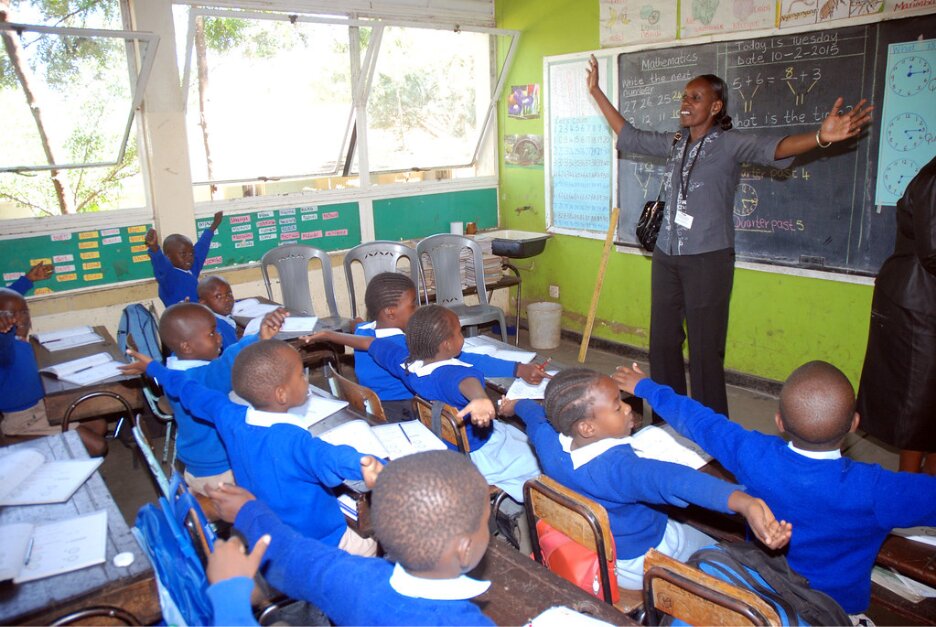
Moving on to the micro-level, educational reform is central to inclusivity in the manufacturing sector. Creating Technical and Vocational Education Training courses (TVET) plus Science, Technology, Engineering and Math courses courses targeted for women and girls can offer a more conducive learning environment. Targeted training and courses reduce cultural barriers and intimidation that often discourage female participation in male-dominated fields. TVET and other academic institutions should also seek out donors and investors interested in female empowerment to offer scholarships and grants. This can be immensely impactful in contexts where cultural customs may discourage families from funding female children’s education, particularly in male-dominated fields. Moreover, such institutions should also proactively engage in outreach through career talks in all girls’ secondary schools where female role models can share their success stories in manufacturing. Finally, educational institutions should also conduct workshops for teachers and students on gender sensitivity, discussing topics like consent, mutual respect and boundaries to discourage harassment or intimidation in the learning institutions.
Another potential initiative from the micro-lens is strengthening female leadership within firms. A female leader is in the best position to address challenges that other women in the workforce experience. Female governance also has other benefits for women in manufacturing, such as serving as visible role model, which can encourage other women to join the industry as well. An avenue to facilitate this can be giving tax breaks to companies that have equitable female representation in their leadership. Moreover, a long-term approach to ensuring female representation is by educating societies about the benefits of having gender equity in leadership which can be facilitated through workshop and educational campaigns.
On the microeconomic front, the Kenya Association of Manufacturers (KAM) can also significantly facilitate inclusion in manufacturing. One approach is empowering the women in manufacturing caucuses, through providing them with capital and public visibility for sufficient outreach. Additionally, connecting the caucus with policymakers such as parliamentarians can also allow them to directly advocate for gender-sensitive policies. This is one of the strongest mechanisms of addressing both the demand and supply issues discussed in my previous blog, because they will get exposure to employers and investors (increase demand) through increased visibility, and they will also show other young women the viability of this career pathway (increase supply).
To conclude the micro-level recommendations, collective action is a powerful yet undermined tool to impact change. Individuals can invest in stocks of women-ked/owned manufacturing companies, consuming more female-produced manufactured goods or merely amplify the success stories of the current women in manufacturing. Additionally, encouraging women with latent potential to join the industry through mentorship and guidance can cultivate inclusion through social validation and peer support.
This blog has explored potential solutions to the challenges presented in the blog: Women in Manufacturing: Barriers to Entry including economic, legal and institutional interventions. The recommendations mentioned are just a fraction of the solutions found in my research, highlighting how complex challenges require multidimensional solutions. Hence affirming that gender inclusion in manufacturing is only achievable if society at all levels actively participate in the reforming process.