Thursday, October 1, 2026
Author: Spencer Muhonja
Category: Health, Endometriosis
⏱️ Estimated Read Time: 6 min read
Endometriosis is a chronic condition that affects women of reproductive age, in which tissues similar to the lining of the uterus develop in areas outside the uterus. This results in painful symptoms that not only affect one's menstrual cycle but also one's daily life and ability to carry a pregnancy to full term. It may occur in different body organs depending on the person, most commonly the pelvis, abdomen and even chest.
Figure 1: Endometriosis Prevalence in Different Continents

Source: Author’s Compilation from A Systematic Review on the Prevalence of Endometriosis in Women by PubMed Central
Globally, the disease affects one in ten women of reproductive age (190 million). Figure 1 illustrates prevalence rates across continents. No precise cause is known, but it is linked to immune system dysregulation or genetic inheritance. Diagnosis occurs through surgery or ultrasound; however, most women experience a challenge due to late diagnosis, when their condition is worsened. The World Health Organisation (WHO) reported that this challenge is especially prominent in low- and middle-income countries with less advanced health care systems to handle patients better. Diagnosis also poses a challenge since individuals may lack sufficient knowledge to be able to identify the condition and ultimately seek medical attention. In other cases, individuals may not present any symptoms at all, hence making it even harder to identify the illness. As a result, the average time to diagnosis is approximately four to twelve years.
There isn’t an existing treatment for the disease currently; only the symptoms are managed depending on severity and individual patients. In other cases, some undergo surgical removal of the endometriosis lesions. Aside from the health effects, endometriosis patients experience social and economic implications as well. These manifest in terms of high costs of treatment and managing the symptoms, and interruption of productivity at school for students or work for adults due to the severity of pain and symptoms. Others also experience social stigma either in school, at places of work or in public spaces due to limited public awareness of the illness.
In the Kenyan context, notable gaps may hinder the formulation of a better response to the crisis. Firstly, there isn’t a central data collection and surveillance system for the number of those affected. The lack of this data undermines the possibility of determining the scale of the disease in the country and hence formulating a better response. A registry of infected persons helps understand the severity of the crisis and ultimately manage it. It is necessary to understand which groups are affected, which areas with most affected people or ages are most affected and whether any of these factors correlate with or influence the disease. Additionally, it enables one to gauge issues such as late diagnosis and who is most affected by this, as well as why and how to mitigate it. Ultimately, decisions can be made from an informed perspective; health care policies can be readjusted effectively to accommodate it, and patients get the much-needed help.
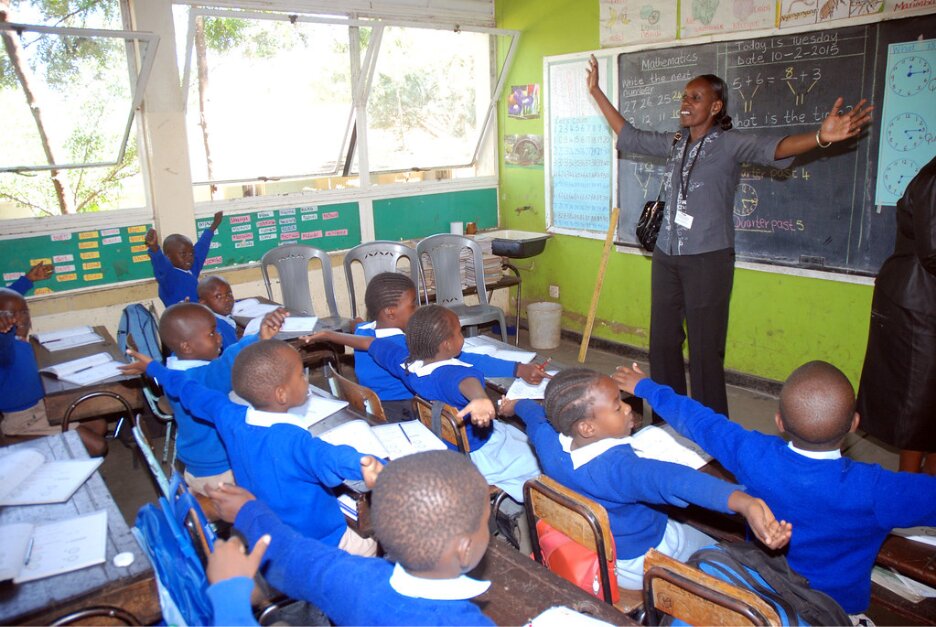
Research by PubMed Central on living with endometriosis in Kenya illustrates that there is less education and public awareness about endometriosis. This is also a challenge that likely leads to late diagnosis, as individuals themselves do not have sufficient knowledge of the condition until they are diagnosed. The research features experiences of individuals from young adolescent age and adults who went to seek medical attention due to pain during menstruation and didn’t get substantial help. Some narrate being told that they were pretending or that it was “all in their head” or that they were simply seeking attention. The research also indicates that for most of the infected women, the disease manifested when they were in primary school at the onset of adolescence, and this affected their experience in school socially and even in terms of performance, as they didn’t get necessary care, only painkillers to ease the pain. The experience was also influencing adult women in their professional lives. Some mentioned passing out in the workplace, not being able to deliver effectively on their tasks and even stigmatisation from colleagues. The stigma extended to social interactions with friends and even romantic lives, leading some to depression and mental health issues.
Treatment expenses are costly for women and girls suffering from the condition, more so for those without insurance. Endometriosis requires constant and unpredictable medical attention, as the frequency of flare-ups and symptom severity are uncertain, and there isn’t a specific treatment for it. As of 2026, the Social Health Insurance Fund (SHIF) does not accommodate endometriosis diagnosis and treatment, requiring patients to incur costs out of pocket. For those requiring surgery, they may typically be required to pay approximately Ksh 350,000 to Ksh 1,000,000 per surgery. Women experiencing a hard time at the workplace, where they need to earn a living, also experience the burden of the costs. For the young girls in boarding school, their studies get disrupted further as the schools can't bear the treatment costs, mandating that they go back home to get treatment. Including endometriosis in the SHIF benefits relieves them of this extra burden and makes treatment less burdensome for women living with endometriosis.
In 2024, a debate arose in the National Assembly, sparked by a response read by the chairperson of the Departmental Committee of Health, Hon. Robert Pukose. He stated that there was heavy investment in the treatment of endometriosis; the country had 700 trained gynaecologists operating in different parts of the country in public and private facilities. He also mentioned that the ministry planned to develop endometriosis specialised centres, train more gynaecologists, as well as expand SHIF to accommodate endometriosis treatment and medication. As of 2026, public facilities set aside specifically for endometriosis do not exist, nor does endometriosis care and treatment receive coverage from SHIF.
Nominated member of the Senate in Kenya, Hon. Karen Nyamu, submitted a draft motion to address gaps in Kenya’s response framework. The draft motion addresses the gaps in data, workforce capacity and research, SHA and private insurance coverage and the ministry’s commitment to the crisis. The current situation calls for an urgent response from the Ministry of Health covering facilities, funding, skilled medical personnel and public awareness at large to better help the multitude of women living with this condition. Since many individuals are affected from a young age, endometriosis and such illnesses should feature in the school curriculum, and students should be taught about it. There should also be more awareness campaigns by the government to help the public know how to handle individuals living with endometriosis better and curb the stigma that the women affected experience. It could also be a website, an app and advertisements that would help individuals be able to know how to help and provide general knowledge about the condition. Healthcare providers in schools should be carefully vetted and have capacity building to ensure they can give effective care to young girls suffering from endometriosis and other reproductive health issues.








0 Comments
Log In or Sign Up to join the conversation
Loading comments...