Friday, April 24, 2026
Author: Cherop Lyoba
Category: Poverty, Infrastructure, Public Finance
⏱️ Estimated Read Time: 5 min read

Poverty has been a persistent challenge in Kenya, with 46.88% of Kenyans living below the national poverty line as of 2021. This is not a recent spike, the poverty rate has been above 30% since the 1990’s. A false narrative is that Kenya is an inherently poor country. However, the Kenyan government collected KSh 2.571 trillion in the financial year 2024/25. This is 16% higher than collections among 36 other African countries, including countries like Nigeria with over triple the population of Kenya. Yet there has been no improvement in poverty rates in Kenya over the decades. Some of these funds have been used on projects that can be argued to be white elephants. A white elephant is a project whose cost of upkeep is not in line with its usefulness or value. This blog intends to investigate some of the most popular projects implemented in Kenya, to identify whether they are white elephants and what poverty alleviation projects could have been implemented instead (opportunity cost).
The first, and most recent, is The Talanta Stadium, which broke ground in 2024 and is still under construction. This is the largest investment in sports infrastructure in Kenyan history, costing KSh 44.7 billion, which will be funded through additional loans. There are several other major stadiums in Nairobi, the capital of Kenya: Kasarani Stadium, seating 60,000 people, Nyayo Stadium, seating 30,000, and City Stadium, seating 15,000 people. The existing stadiums are costly to rent, with local leagues opting for smaller private pitches or public fields. Hence, making it unlikely that people will rent a significantly more expensive stadium. Other events held in stadiums, like concerts, are luxuries given Kenyans' incomes and the premium tickets that may be unaffordable due to the limited entertainment budget for many households. Therefore, I argue this project does not have enough utility to the general Kenyan citizens, making it impossible in the short and medium term that the project will accumulate enough revenues to justify this expenditure. If the government had to spend the same amount in fulfilling its public goods and quasi-public goods mandate with Ksh 44.6 billion, one could: drill 12,771 boreholes to provide water for underserved drylands, provide 6,386,000 smallholder farmers with seeds, training and fertiliser, support 383,000 impoverished families with transfer payments for 3 months and offer 103,154 underserved students with secondary school bursaries of Ksh 65,000 per year.
Table 1: Talanta Stadium Opportunity Cost

Source: Author's Analysis using AI
Secondly, the Kenya Meat Commission (KMC): This is an institution that the Kenyan government created to provide meat products for consumption. In the commission's 70-year history, it made a profit once and collapsed twice. Despite this history, the 4th Kenyan President, Uhuru Kenyatta, reopened it in February 2021 under the military, pumping Ksh 1.4 billion to the entity despite court rulings against it. According to public choice theory in economics, governments should not be providing private goods like meat. Moreover, meat is a luxury good, therefore, spending national funds on the provision of it may not serve the interests of all Kenyans since they may not regularly consume meat. Particularly with the opportunity cost of subsidized healthcare for 100,000 people, emergency food and nutrition support for 50,000 people for 2 months, sanitary units for 1000 people and universal cash transfers of Ksh 49,000 to 10,000 families for 6 months. Therefore, because of the persistently high cost over 70 years and high opportunity cost, this project is not an effective utilisation of taxpayers' money.
Table 2: Kenya Meat Commission Opportunity Cost

Source: Author's Analysis using AI
Finally, the Nairobi Express Way: This is a 27-kilometre toll road connecting the largest airport and the Central Business District to the rest of the city. This is significantly the most expensive road in Kenya, costing 72 billion Kenyan shillings to construct. At first glance, this may seem like a practical infrastructure project. It would allow people to access the Central Business District for work and the airport for travel. However, 72% of Kenyans walk to their places of work, while another 26.7 % use public transport (matatus), which do not use the expressway because of the expensive toll costs. This amounts to nearly 90% of the Kenyan population that does not use the expressway, which illustrates that the cost does not align with the utility of this project. With the funds for the expressway, the Kenyan government could provide 700,000 boreholes, 20,000 units of housing, clinic assistance for 4.8 million people, national food assistance for 1.6 million people for 2.5 months and universal cash transfers for 500,000 families. Overall, because of the high startup costs, the opportunity cost and the low utility for local Kenyans, infrastructure as an end in itself as a government strategy should be revised.
Table 3: Express Way Opportunity Cost

Source: Author's Analysis using AI
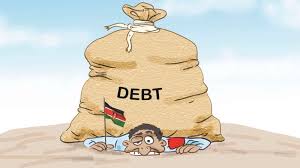
This blog does not negate the importance of infrastructure or dictate that Kenya’s entire budget should go towards addressing poverty; economically viable and well-executed infrastructure projects can generate revenue that contributes to growth, which ultimately eradicates poverty. This work presents numbers and alternative projects; using individual judgement, the reader can analyse which projects are more effective uses of public funds. Particularly given the current socio-economic conditions in Kenya, with a poverty rate of over 40% and a debt burden of over 60% of GDP. In a country this poor and suffering from unsustainable debt, the government should go back to the basics.
In conclusion, through this analysis of three major projects: The Talanta Stadium, the Kenya Meat Commission and the Nairobi Expressway. This blog reveals how these projects may appear like development and may be popular amongst Kenyans, but are an ineffective use of limited public funds relative to their opportunity costs. Some recommendations to avoid white elephant investments are: to heavily consult the public before investing in a project through mediums like referendums, ensure that basic needs take precedent over luxuries, and finally ensure the government exclusively provides public goods and avoids private sector investments they cannot efficiently manage.




0 Comments
Log In or Sign Up to join the conversation
Loading comments...